
Find Anything Fast Without Friction

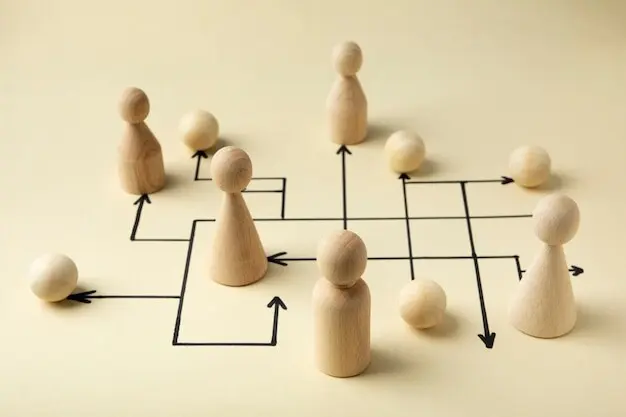
Start With How You Search

Clarify What “Fast” Truly Means For You

List The Materials You Hunt For Most
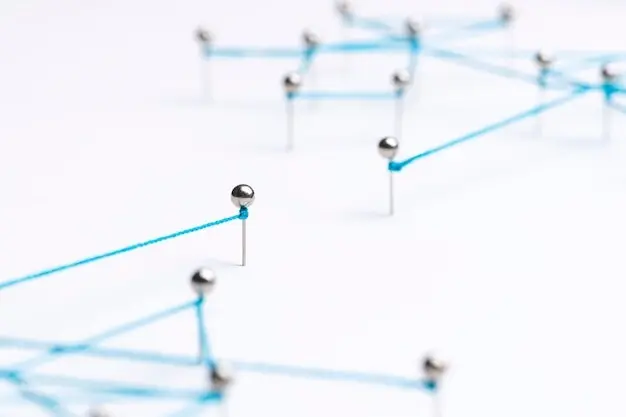

Tags That Add Meaning, Not Noise
Folders That Guide, Not Hide


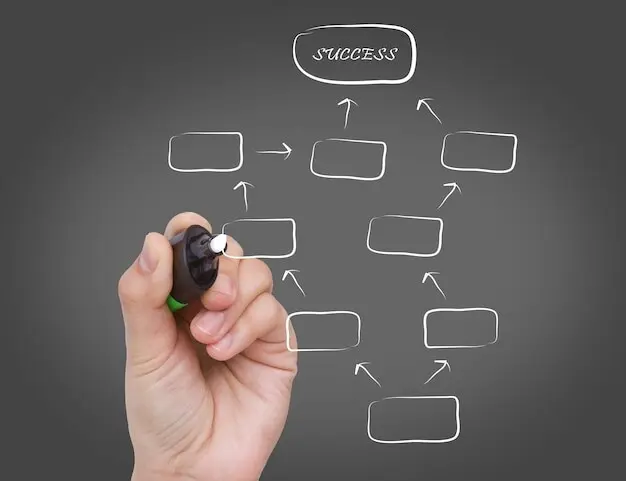

Backlinks And The Emergent Map
Bidirectional Links Turn Notes Into Neighborhoods
Link Granularly To Blocks, Quotes, And Images
Daily Notes As Low‑Friction Linking Hubs


Blend Methods Into One Reliable Flow

Queries, Reviews, And Resurfacing
Tools, Portability, And Future‑Proofing
Open Formats And Clean Exports
Choose markdown, plain text, or interoperable document types whenever possible. Keep images and attachments in predictable folders with relative links, so moves do not shatter connections. Test exports quarterly and open results in a different tool to confirm fidelity. Document your link style and naming scheme in a short README stored at the root. When everything is portable by design, experiments feel safe, and long‑term stewardship of your knowledge becomes simple, boring, and reliably successful across changing tools.
Automations, Templates, And Shortcuts
Automate the boring parts: stamp new notes with date, owner, and initial tags; scaffold projects with a standard folder layout; and insert backlink prompts near decision sections. Keep automations light and editable, avoiding opaque scripts you will fear touching later. Templates should encourage consistent signals without squeezing creativity. Shortcuts on mobile restore parity with desktop speed. The aim is frictionless capture and reliable structure, not flashy tricks that complicate maintenance or block teammates from participating comfortably.
Migrations Without Tears And Broken Links
When switching tools, migrate in stages. Start with a pilot set, verify link integrity, and compare search results against your saved queries. Maintain a dual‑home period where new notes live in the target system while legacy content remains readable. Track issues in a migration log, fixing naming edge cases and redirecting deprecated tags. Communicate changes to collaborators early with clear instructions. A careful approach preserves trust, ensuring your personal retrieval system remains dependable through inevitable platform shifts and upgrades.
All Rights Reserved.